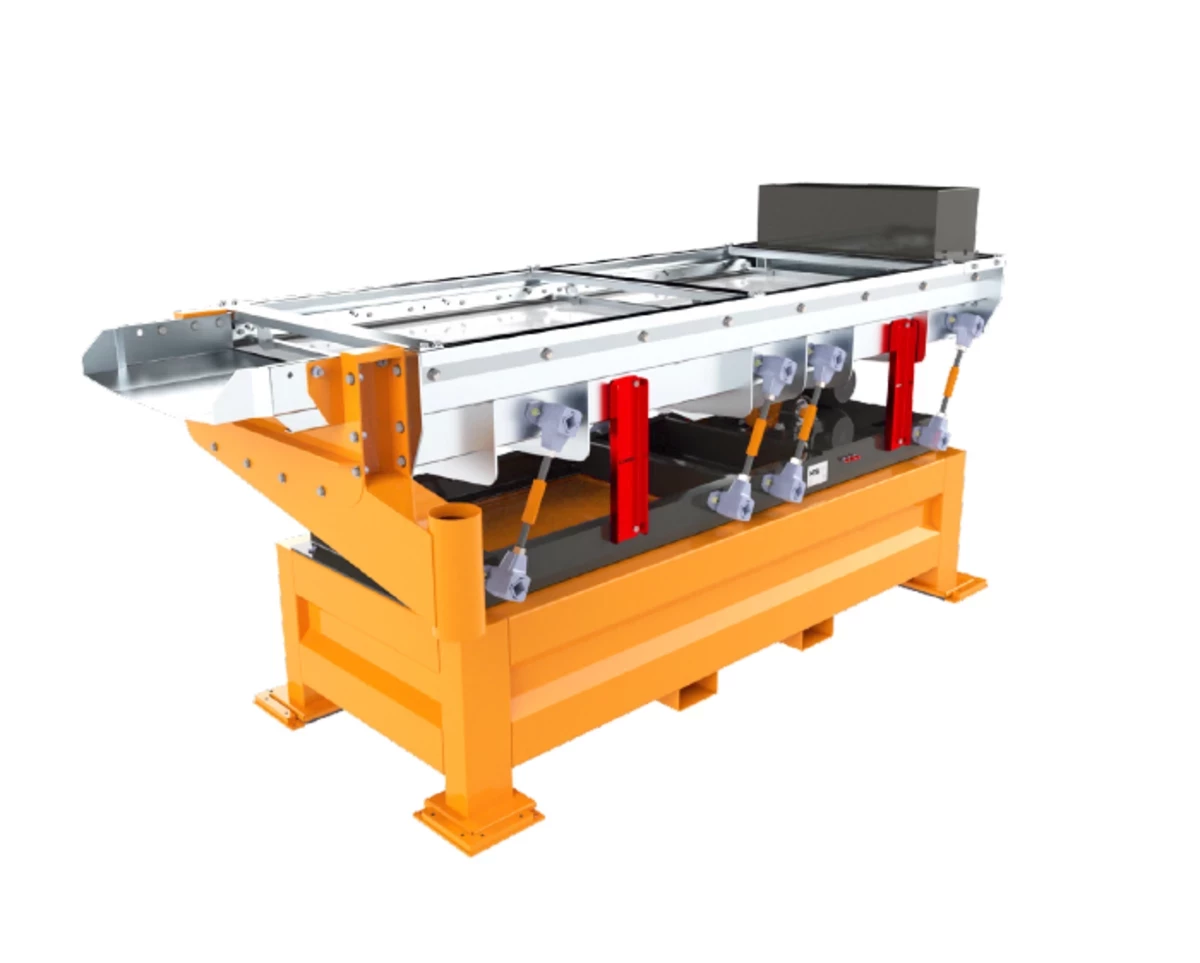
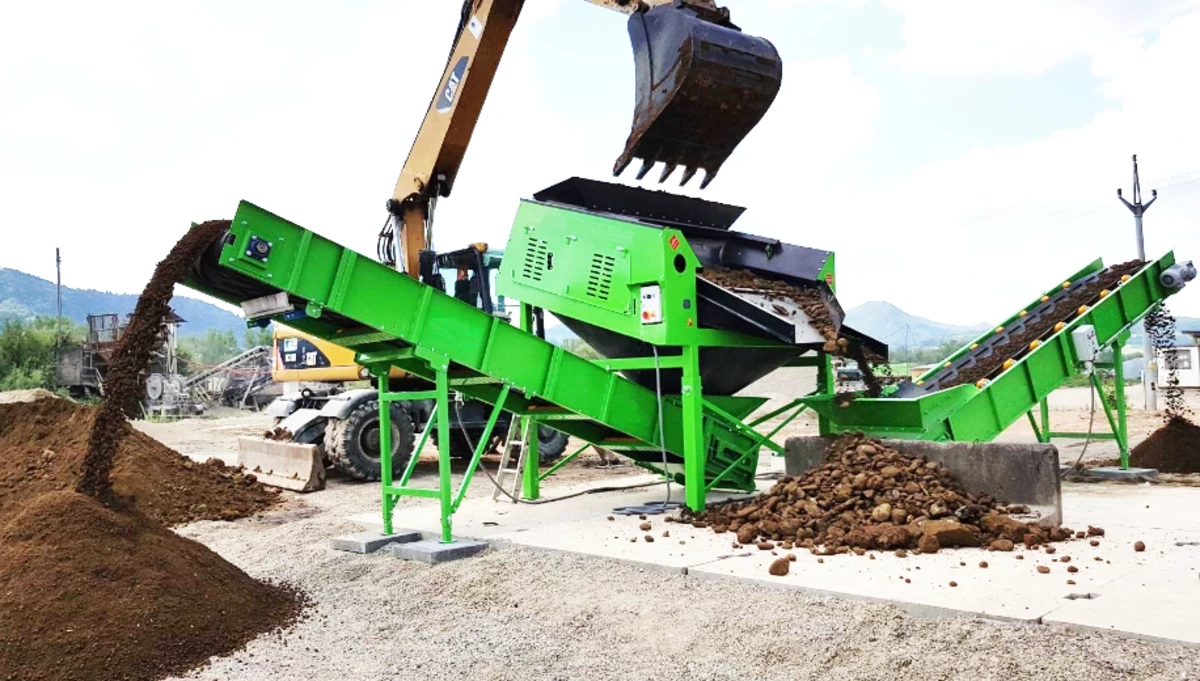
Enhancing recycling efficiency through vibration screening: Explore integration strategies, technological advancements, and best practices to optimize material separation in modern recycling lines. Discover how cutting-edge solutions like vibrating screens ensure precise material sorting.
Enhancing Recycling Efficiency with Vibration Screening
Optimizing Material Separation
In the dynamic recycling industry, maximizing material recovery efficiency is crucial. Integrating vibration screening—a technique that utilizes high-frequency vibrations to separate materials based on size and density—plays a pivotal role in achieving precise material separation. This article delves into the strategic incorporation of vibration screening into modern recycling lines, addressing current challenges and offering insights into best practices for optimizing operations.
Challenges in Current Recycling Operations
Limitations of Traditional Screening Methods
Recycling companies today face numerous challenges in ensuring high efficiency and accuracy in material recovery. Traditional screening methods often fall short in effectively separating diverse materials, leading to inefficiencies and increased operational costs. Regulatory requirements, which mandate higher standards for recycled materials' purity, further complicate these operations. With global demands for recycled products rising, there's an urgent need to enhance sorting precision and throughput.
Need for Flexible and Adaptable Technologies
Current solutions typically involve mechanical or manual sorting, which can be labor-intensive and prone to inaccuracies. Furthermore, the integration of multiple types of waste streams, from metals to plastics, requires flexibility and adaptability in screening technologies—something that conventional methods struggle to deliver. These challenges necessitate advanced solutions that can seamlessly integrate into existing recycling lines, offering both flexibility and efficiency.
Advanced Vibration Screening: A Technological Leap
Principles and Benefits
Vibration screening emerges as a game-changer in addressing recycling inefficiencies. This technology employs high-frequency vibration to segregate materials by size and density, allowing for precise sorting. Such precision not only enhances the purity of the recoverable materials but also improves operational throughput.
Integration into Existing Recycling Lines
Technological advancements have led to the development of sophisticated vibrating screens that can be easily integrated into pre-existing recycling lines. These systems use state-of-the-art sensors and automated controls to adaptively adjust vibration intensity and frequency, optimizing the separation process for various material types and conditions. By doing so, they enhance the robustness of recycling operations, offering superior performance in diverse industrial settings.
Case Study: MTB Recycling's TAM Series
For companies like MTB Recycling, the deployment of such technology is evident in offerings like the TAM 700 and TAM 850, which provide customizable solutions tailored to specific operational needs.
Evaluating Impact and Future Prospects
Considerations for Implementation
While the integration of vibration screening technology promises significant operational benefits, understanding its limitations is crucial for informed application. The initial investment and integration complexity may pose barriers for smaller recycling operators. Additionally, regular maintenance is essential to ensure continued performance and prevent downtime, which can otherwise offset the operational benefits.
Scalability and Adaptability
However, the scalability and adaptability of vibration screens make them a viable long-term investment. As recycling standards become more stringent and diverse waste streams become more prevalent, these systems provide the necessary agility to meet evolving industry demands. Furthermore, the potential for technological enhancements, such as AI-driven monitoring and feedback systems, offers exciting opportunities to enhance vibration screening efficiency further.
Driving Efficiency and Precision Through Innovative Screening
Conclusion
In conclusion, the strategic integration of vibration screening technology marks a significant advancement in recycling operations, offering solutions to current inefficiencies and setting new paradigms for material recovery. With enhanced precision, adaptability, and throughput, these systems align with industry goals of sustainability and operational excellence. Ultimately, embracing such innovations positions companies to not only meet but exceed regulatory and market expectations.
For tailored solutions and to explore how vibration screening can optimize your recycling operations, consider reaching out to MTB Recycling for a consultation or to request a quote.